
A homeowner calls at 6:18 pm while your crew is packing up after a battery install. Your office is closed. You are driving, on a roof, or talking through a switchboard upgrade with another customer. The call rings out, and by 6:25 pm that homeowner has sent the same enquiry to three other installers. Missed call software exists to stop that gap becoming someone else’s sale.
For Australian solar, battery and EV charging businesses, a missed call is rarely just a missed call. It is often a high-intent prospect who has already done enough research to pick up the mobile. They may be comparing battery payback, checking whether their roof suits solar, or trying to book a site visit before the weekend. If nobody responds quickly, the job does not wait patiently in your pipeline.
What missed call software actually does
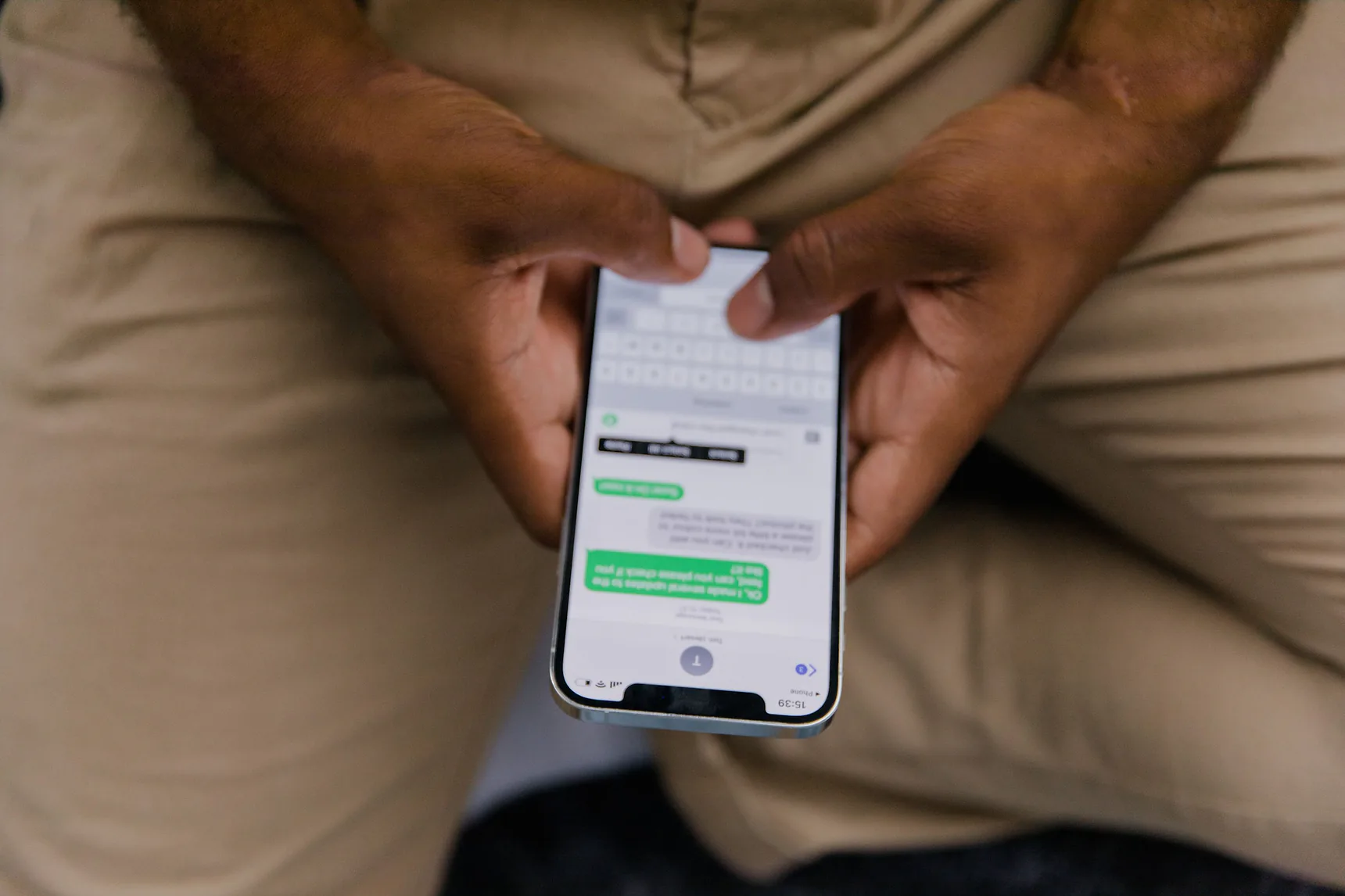
At its simplest, missed call software detects an unanswered inbound call and triggers an immediate response. That response is usually an SMS, but better systems can also create a contact record, notify the right team member, capture the enquiry in the CRM, and begin a structured follow-up sequence.
The basic message might say: “Sorry we missed your call. We’re on site with customers. Reply with what you need help with and we’ll get back to you shortly.” That is not a replacement for a proper conversation. It is a signal that the caller has reached a real business and has not disappeared into a voicemail black hole.
For an installer, the useful version goes further. It identifies whether the caller is an existing customer, a current quote, a new lead or a supplier. It gives the office a clear task to return the call. It records the source and timing of the call, so you can see whether expensive advertising, your Google Business Profile or word of mouth is driving the phone to ring.
That matters because a missed call from a paid ad campaign is not an admin issue. It is a conversion leak you have already paid to create.
Why solar businesses lose more from missed calls
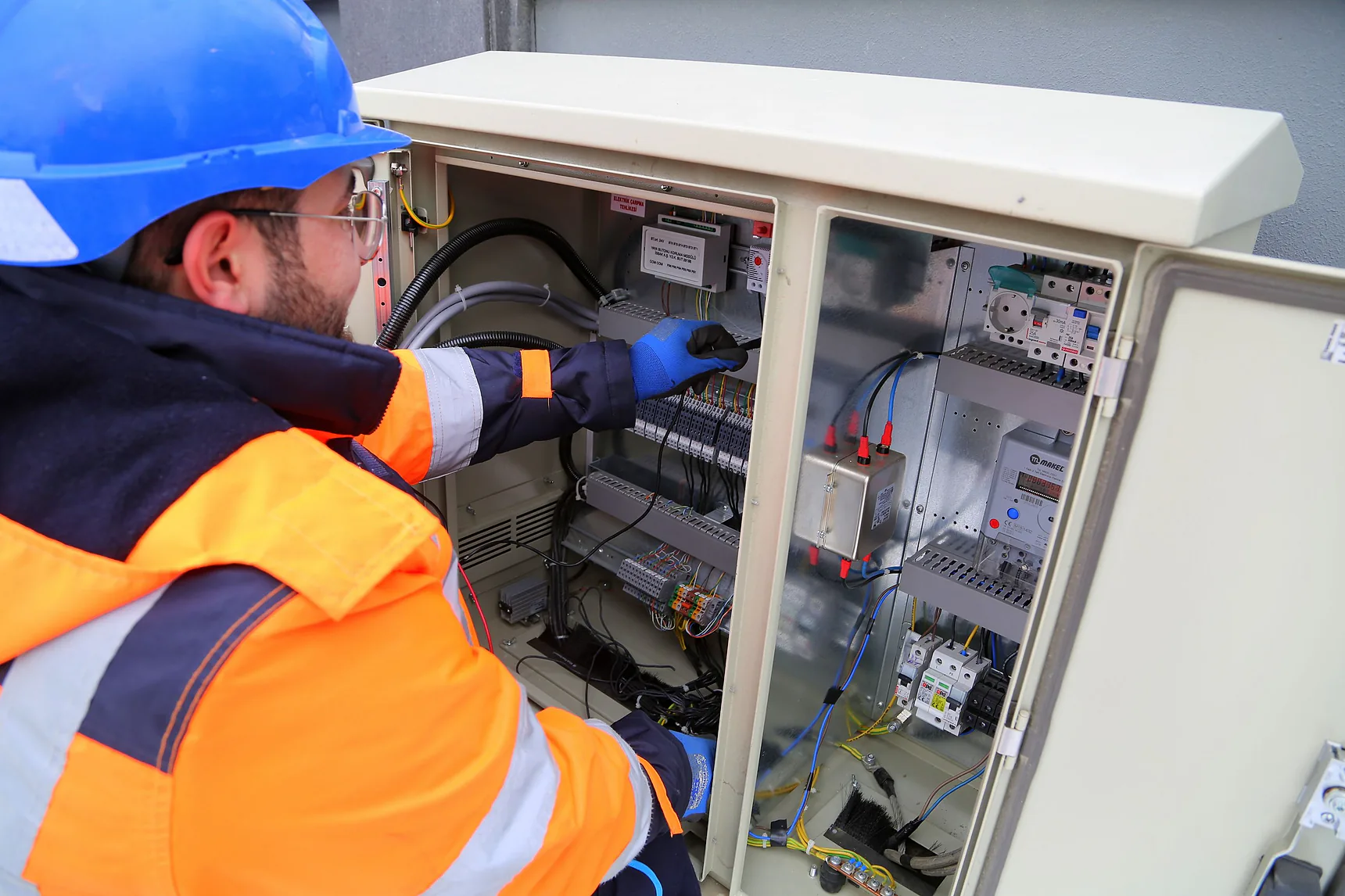
Trade businesses are built around work that cannot be paused just because the phone rings. Your sales consultant might be measuring a roof. Your electrician might be isolating a switchboard. Your office manager may be dealing with STC paperwork, supplier deliveries and a customer whose inverter app has gone offline.
Telling staff to “answer every call” sounds sensible until it collides with real work. The better question is: what happens automatically when they cannot?
Solar enquiries also have a short shelf life. A homeowner looking at a 10 kW system or battery is likely collecting options in the same week. They may not know the technical detail, but they know they want an answer. A fast acknowledgement keeps your business in the running while your competitor is still waiting to check voicemail the next morning.
Speed is not about pestering people. It is about reducing uncertainty. The caller wants to know whether you service their suburb, install the equipment they are considering, and can arrange a site visit. A quick reply creates the next step while their intent is still high.
Missed call software should book work, not create more admin
A cheap missed-call text tool can be better than nothing. But if it simply sends an SMS and leaves your team to manually copy names, chase replies and update spreadsheets, it has shifted the work rather than fixed the process.
The right setup should fit the way your business actually sells jobs. A new caller should enter one shared record with their call history, text replies, web enquiry, quote status and appointment details. If they reply at 8:40 pm with “Need a battery quote in Penrith”, the next person opening the lead should not have to hunt through separate inboxes to understand what happened.
The system should also make the reply useful. Instead of asking an open-ended question that creates more back and forth, give prospects a clear path: reply with their suburb and power bill details, choose a callback time, or book an available consultation. If an online booking option is offered, protect your calendar with sensible rules around service areas, travel time and the type of appointment being booked.
This is where a solar-specific operating system earns its keep. LYD Solar Suite connects missed-call recovery to the CRM, follow-up and booking workflow, rather than treating it as another disconnected app your office has to manage.
The 7 pm test
Test your process with a simple scenario. A homeowner calls at 7 pm on a Thursday after seeing one of your battery ads. Nobody answers.
Within a minute, they should receive a clear acknowledgement from your business. The lead should appear in the same pipeline your team uses for web forms and chat enquiries. The message should offer a practical next action, and the right person should be assigned a callback task for the following business day, if the prospect does not book sooner.
Then ask the harder question: what happens if they do not reply? Good missed call software supports follow-up rules that are firm without becoming annoying. A second message the next day may be appropriate. Five generic messages over two weeks probably are not. The best cadence depends on your lead volume, team capacity and whether the enquiry came from a current customer or a brand-new prospect.
What to look for in missed call software
Do not buy on the promise of an automatic text alone. That feature is easy to find. Look for whether the platform gives you operational control and commercial visibility.
At a minimum, assess these four areas:
- Response speed and reliability: The acknowledgement should send promptly when a call is missed, including after hours. Check how it handles repeat calls, calls from existing contacts and calls that go to voicemail.
- CRM connection: Calls, texts, notes, appointments and quote stages should sit against one contact record. If staff must update multiple systems, records will drift.
- Booking and follow-up: The software should turn a response into a callback, qualification step or booked site visit. Recovery without a next action is just polite messaging.
- Reporting: You need to know how many calls were missed, how many were recovered, which sources produced them and how many became appointments, quotes and sold jobs.
Also check who owns the phone number and data, what happens if you change providers, and whether you can customise messages by campaign, office hours or call type. These details are boring until they create a problem.
The trade-offs: automation needs a human handover
Not every missed call deserves the same automation. An existing customer reporting a fault needs a different response from a homeowner asking for a new solar quote. A supplier chasing a delivery should not be pushed into a site-visit booking flow.
That is why message wording, contact tagging and routing matter. Keep the first message plainspoken and honest. Do not pretend a person is immediately available if they are not. Tell callers when they can expect a response and give urgent existing customers a suitable escalation path.
There is also a compliance and privacy consideration. If your system sends texts or records calls, make sure your process reflects Australian privacy obligations and any consent requirements that apply to your use case. Marketing follow-up should include sensible opt-out handling. Call recording notices should not be an afterthought. Your software can support good process, but it cannot make careless process compliant.
Automation should remove the delay, not remove accountability. Someone still needs to own the callback queue, check replies and move genuine opportunities forward.
Measure recovered revenue, not message volume
It is easy to be impressed by a dashboard showing hundreds of automated SMS messages. That is not the result. The result is whether more qualified homeowners book site visits and progress to a proposal.
Track missed calls by time of day and lead source. If most missed calls arrive between 5 pm and 8 pm, after-hours recovery is likely doing real work. If a particular ad campaign creates calls but few qualified appointments, investigate the ad message, targeting or the first response before increasing spend.
Review the full chain: missed call, SMS delivered, reply received, callback completed, consultation booked, quote issued and job won. That tells you where the leak sits. Perhaps the software is recovering leads well, but callbacks are not happening promptly. Perhaps the office is booking appointments, but sales follow-up after the site visit is weak. Fix the stage that is actually costing you work.
A missed call will still happen. You have crews to manage, jobs to finish and customers standing in front of you. The commercial mistake is allowing that missed call to become an invisible dead end. Set up a response that acknowledges the prospect immediately, gives your team a clear next action and keeps every conversation attached to the job it could become.