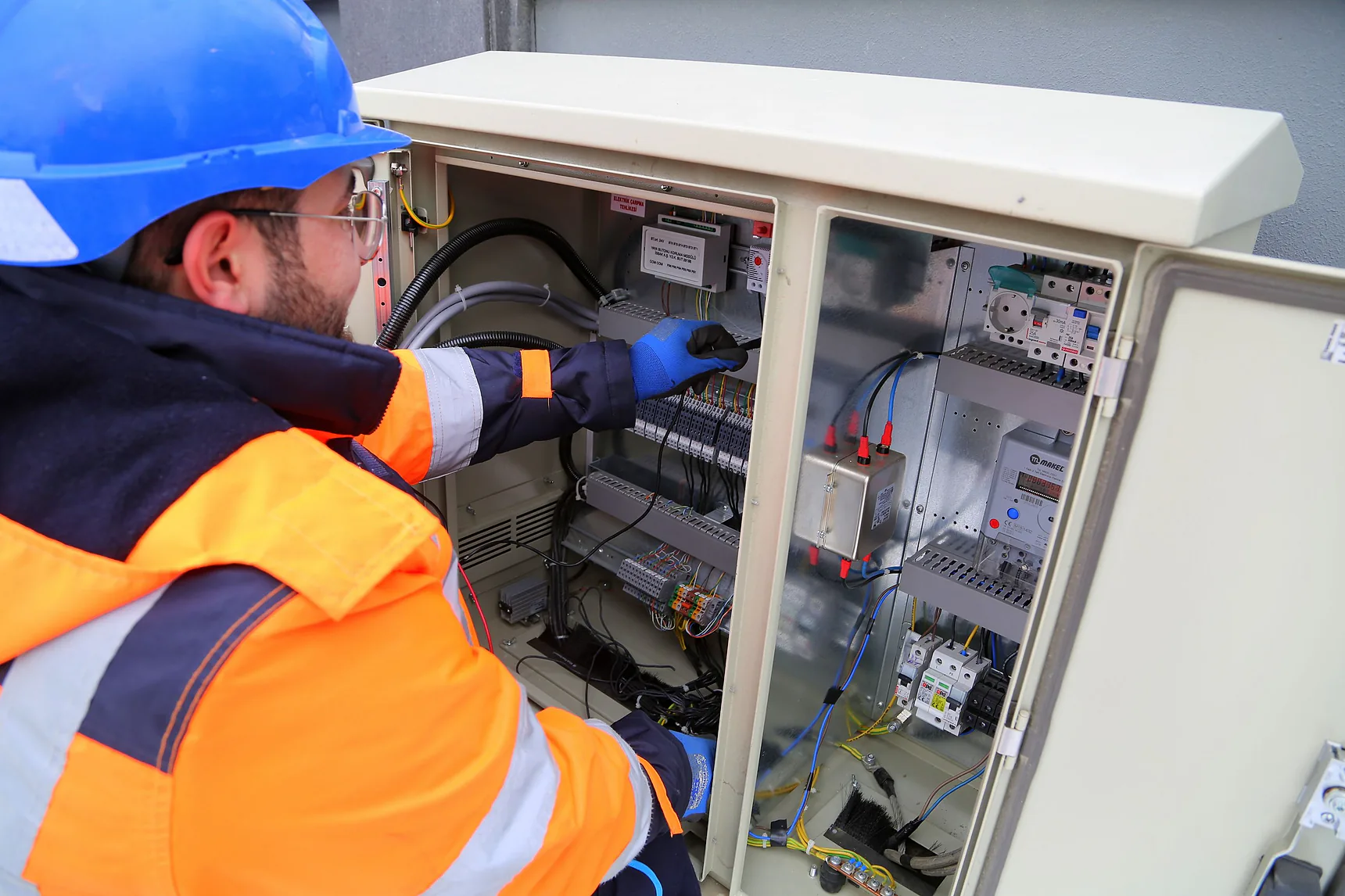

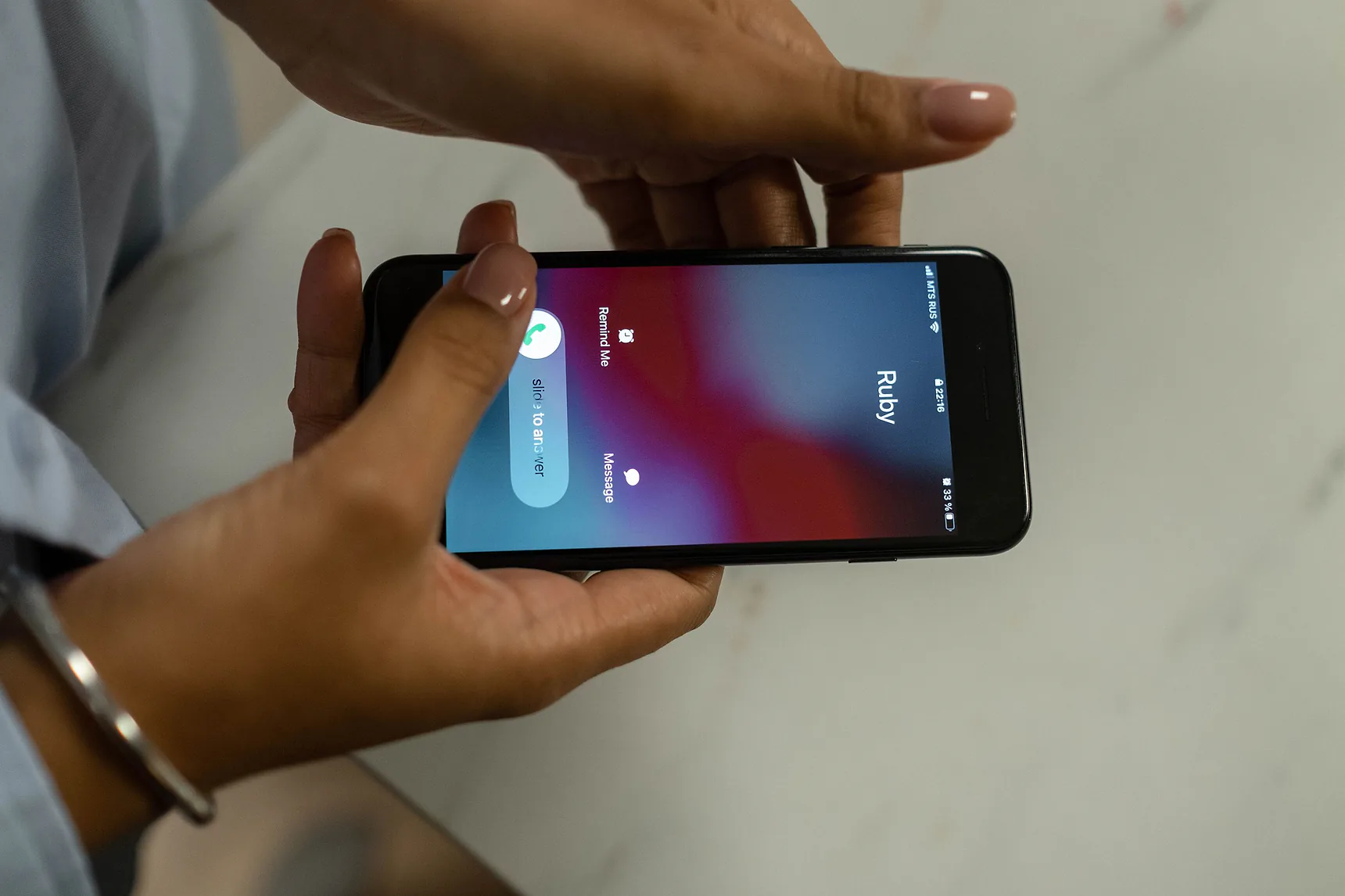
A homeowner calls at 6:18 pm while your crew is finishing a battery install. You are on a roof, in a site meeting, driving between jobs, or simply off the clock. The call goes unanswered. By 6:25 pm, they have called two other installers and filled in a form with one of them.
That is why missed call text back solar installers should treat as a sales process, not a phone setting. The missed call is not the problem. Leaving a motivated homeowner with no response is the problem.
For solar, battery and EV charging businesses, every inbound call can represent a high-value project. The caller may want a replacement inverter, a battery quote before the next power bill, or answers about an EV charger. They are rarely calling for a chat. They want a clear next step, quickly.
Why missed calls cost more in solar
A missed call in a trade business is normal. Your team cannot answer every mobile while carrying panels, running cable, completing a commissioning test, or talking through a proposal at a kitchen table. Trying to make that happen is unrealistic.
The commercial mistake is assuming callers will leave a voicemail, wait patiently, and call again. Many will not. Solar enquiries are competitive, and the customer is already comparing trust signals: response speed, Google reviews, whether someone sounds organised, and how easy it is to book an inspection.
A quick text changes the moment. It tells the homeowner their enquiry has landed and gives them a path forward while your team is still busy. That can be enough to stop them moving on to the next installer.
Speed matters, but a rushed human reply is not always the answer. If the office is flat out, replies become inconsistent. One lead gets a call back in two minutes, another waits until the next morning, and a third falls into a personal mobile inbox with no record in the CRM. That is not a reliable process. It is luck.
What a missed call text-back system should do
A useful system sends an immediate, relevant SMS when an inbound call is missed. It should identify the business, acknowledge the call, set expectations, and give the prospect a practical option to continue.
For example:
Hi Sarah, thanks for calling [Business Name]. We are likely on site or helping another customer. Reply with what you need help with - solar, battery or EV charging - and your suburb, or book a suitable time for a call back.
That is better than a generic “Sorry we missed your call”. It starts qualification without turning the first message into a form. The homeowner can reply in seconds, and your office has useful context when it is time to pick up the conversation.
The system also needs to log the missed call, outgoing SMS, replies, staff actions, and booking outcome against one contact record. If these pieces sit across a handset, shared inbox, spreadsheet and calendar, leads will be missed twice: first on the phone, then in the follow-up.
A solar-specific workflow should also route the lead properly. A new solar enquiry might go to the sales queue. A fault call from an existing customer may need service triage. A battery enquiry with a specific suburb can be assigned to the rep covering that area. Not every missed call deserves the same response or the same urgency.
Immediate does not mean robotic
Automation gets the first response out. It does not replace the sales team.
The best workflow makes it clear that a real person will follow up, then creates a task with a due time. If the homeowner replies “Battery for 10 kW solar system in Penrith”, that reply should trigger a visible action for the right person. An automated acknowledgement without a human follow-up is just a more polished way to ignore someone.
There is a balance here. Calling a prospect repeatedly after one missed call can feel pushy, particularly outside reasonable hours. Waiting two days is worse. A sensible sequence acknowledges the caller instantly, invites a reply or booking, then prompts a staff member to call during the next suitable window. The exact timing depends on your operating hours, call volume and who handles sales.
Build the workflow around a booked site visit
The point is not to collect more text messages. The point is to turn a missed call into a qualified conversation and then a site visit, remote assessment, or another defined sales step.
Start by deciding what happens after the first SMS. For most residential installers, the ideal route is simple: the caller replies with their need and suburb, a team member contacts them, and the conversation moves to a booked solar or battery assessment. If you offer online booking, the text can give them that choice immediately.
Booking is powerful because it removes the back-and-forth that kills momentum. A homeowner who can select a time at 8:30 pm may be more likely to commit than one who has to remember to call during business hours. But do not over-automate it. If your site visits depend on roof access, bill data, switchboard photos or eligibility checks, use the booking confirmation and follow-up to collect what your sales team needs.
A good record should show the source of the lead, the missed-call time, whether the SMS was delivered, the response time, booked appointment status, quote status and outcome. Without that visibility, it is easy to call missed-call recovery a success because messages are going out. The only measure that really counts is whether more legitimate opportunities are becoming appointments and sales.
The wording matters more than most installers think
Your first text is part of your local reputation. It needs to sound like an established installer, not a faceless lead broker.
Keep it short. Use your business name. Offer one or two obvious next actions. Avoid jargon, excessive emojis and a long list of questions. The aim is to reduce friction, not make the caller complete a fact-find on their mobile.
It also needs to match the reason they called. A person asking about a failed inverter should not receive a message focused entirely on new system sales. Where possible, use simple keywords or reply prompts such as solar, battery, EV charging, service, or existing customer. This helps the office prioritise and gives the customer confidence they have reached the right business.
Be careful with promises. Do not state that someone will call “in five minutes” unless you have staff available to do it every time. A more credible line is “Our team will get back to you as soon as possible during business hours” or a defined callback window that your team can meet.
Compliance and consent are part of the job
A missed-call response should be a service message tied directly to the customer initiating contact. That does not give a business permission to keep sending promotional texts indefinitely.
Keep transactional responses separate from marketing campaigns. Make sure your customer records show what was sent and when. If a lead later opts into newsletters, special offers or longer nurture sequences, manage that consent clearly. Your messaging process should support the same disciplined operation you apply to electrical documentation, accreditation records and job handovers.
There is also a practical privacy issue. Do not ask customers to send unnecessary sensitive information by SMS. A bill, address, photographs of a switchboard and finance information need appropriate handling. Use the text to move the conversation to the right channel, not to turn a mobile thread into an uncontrolled document store.
Where installers usually lose the lead
Most missed-call systems fail in one of four places:
- The text sends from an unfamiliar number or does not identify the business.
- Replies land in a shared inbox that nobody owns.
- Staff call back but do not record the outcome or create the next task.
- The lead receives a quote, then follow-up stops because the original call was never connected to the sales pipeline.
These are operations problems, not marketing problems. More ad spend will only feed more leads into the same leak.
That is why an integrated platform matters. With LYD Solar Suite, missed-call recovery can sit alongside the CRM, online booking, website enquiries and quote follow-up, so the homeowner does not disappear between systems. Your team sees one conversation and one next action rather than a collection of disconnected notifications.
Measure the gap, then fix it
Before changing anything, review a fortnight of inbound calls. How many were missed? How quickly did each person receive a response? How many conversations became booked assessments? How many were never contacted at all?
The numbers may be uncomfortable. Good. That gives you a baseline.
Then test the response wording, callback timing and booking option. A metro installer with a dedicated office team may use a different setup from a regional operator whose owner is also doing site visits. The right system is the one your people can maintain every day, including when the phone rings at 7 pm and the team is on the tools.
A missed call does not need to be a lost opportunity. Treat it like the first step in a tracked sales workflow, give the homeowner a useful response straight away, and make sure somebody owns what happens next.